
Why sound becomes a problem
日本のアパートやマンションは、壁や床が薄くて、上や隣の部屋の音がよく聞こえる建物も少なくありません。
Many apartments and condominiums in Japan have thin walls and floors, and sounds from upstairs or the next room are easy to hear.
日本人は、お互いに迷惑をかけないことを大切にするので、小さな音でも、気になる人が多いです。
Japanese people value not troubling each other, so many are bothered even by small sounds.
特に、夜は静かに過ごしたい人が多いので、同じ音でも、昼より夜のほうがずっと大きく感じられます。
At night especially, many people want peace, so the same sound feels far louder than in the daytime.
契約のときに渡される規則の紙には、「夜十時から朝まで洗濯をしない」などと、書いてあることもあります。
The rule sheet handed over when you sign a contract may say things like "no laundry from 10 p.m. until morning."
Everyday habits to watch
一番多い苦情は、足音や、子どもが走る音、物を落とす音です。上の階に住んでいる人は特に気をつけてください。
The most common complaints are footsteps, children running and things being dropped. If you live on an upper floor, be especially careful.
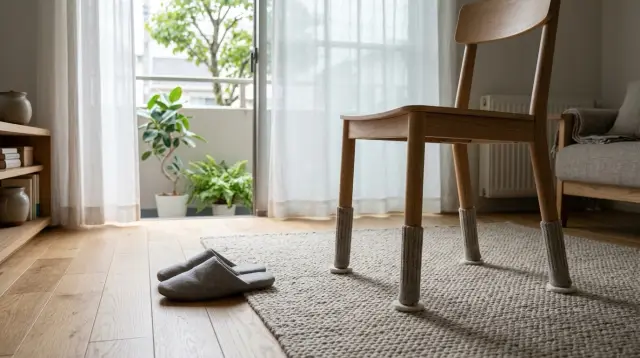
スリッパをはいたり、カーペットをしいたりするだけでも、音がかなり小さくなります。いすの足にゴムをつけるのもおすすめです。
Just wearing slippers or laying a carpet makes sound much quieter. Putting rubber on chair legs is also recommended.
友達を呼んで、夜遅くまで話したり、音楽を聞いたりするのは、やめたほうが無難です。ヘッドホンを使いましょう。
It is safer to avoid inviting friends and talking or playing music until late. Use headphones.
洗濯機やそうじき、ドアを閉める音も、夜は意外にきこえます。静かにゆっくり動かすようにしています。
Washing machines, vacuums and slamming doors also carry unexpectedly at night. I make a point of moving things quietly and slowly.
引っ越してきたときに、両隣と上下の部屋に、小さなお菓子を持ってあいさつに行くと、あとで関係がよくなります。
When you move in, bringing small sweets to greet the units on both sides, above and below, improves relations later.
When someone complains
ある日、ドアに「夜の足音が気になります」という紙が入っていたとします。あわてて怒らずに、まず落ち着いてください。
Suppose one day a note in your door says, "Your nighttime footsteps bother me." Do not get angry in a hurry; stay calm first.
自分に心当たりがなくても、「ご迷惑をおかけして、申し訳ありません」と、まず謝るほうが、話がうまく進みます。
Even if you cannot think of a reason, apologizing first with "I am sorry for the trouble" helps things go smoothly.
相手の家に直接行って話すより、管理会社や大家さんを通したほうが、トラブルになりにくいです。
Going through the management company or landlord is less likely to cause trouble than visiting their home directly.
反対に、自分が音に困っているときも、まず管理会社に相談するのが基本です。夜の音を、いつ、どのくらい聞こえたか、メモしておくと役に立ちます。
Conversely, when you are bothered by noise, the basic step is to consult the management company first. Noting when and how loud the sound was helps.
日本では、赤ちゃんが泣く声や、ペットの鳴き声が、トラブルの原因になることもあります。
In Japan, a baby's crying or a pet's barking can also cause trouble.
そのような場合は、あらかじめ近所に事情を説明して、「ご迷惑をおかけします」と伝えておくと、理解してもらいやすくなります。
In such cases, explaining your situation to the neighbors beforehand and saying "we may cause some trouble" makes understanding easier.
同じ建物でも、人によって「うるさい」と感じる音は違います。自分の感覚だけで考えないことが大切です。
Even in the same building, what sounds "noisy" differs from person to person. It is important not to think only from your own sense.
引っ越す前に、昼と夜の両方の時間に、部屋の周りを歩いて、どんな音が聞こえるか確かめておくのもいい方法です。
Before moving in, walking around the unit in both daytime and evening to see what you hear is also a good method.
鉄骨か、コンクリートか、木か。建物の作り方でも、音の伝わり方は大きく変わります。
Steel frame, concrete or wood? The way a building is constructed also greatly changes how sound travels.
管理会社によると、苦情の多くは「わざとではない生活音」だそうです。それでも、思ったほど気にならないと思って、何もしないのは、問題を大きくします。
According to management companies, most complaints are about "unintended everyday sounds." Even so, assuming it is not that bothersome and doing nothing makes the problem bigger.
Words in this article
音の問題は、悪気がなくても起きます。だからこそ、お互いに声をかけ合う、小さな近所づきあいが役に立つのです。
Noise problems occur even without ill will. That is exactly why small neighborly ties, greeting each other, are useful.