
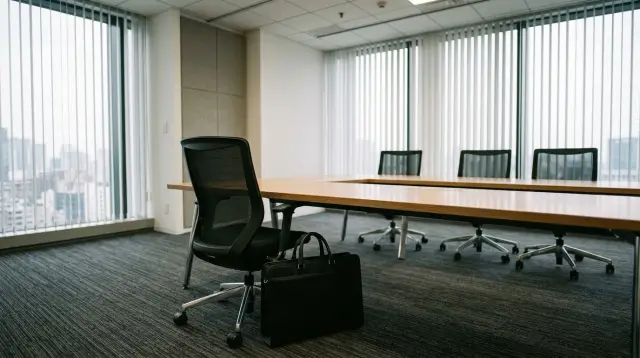
Japanese interviews are decided by preparation
日本の会社の面接では、答えの内容と同じくらい、入室から退室までの態度が見られています。服装、あいさつ、声の大きさ、姿勢など、会社の一員として一緒に働ける人かどうかを判断するためです。
In a Japanese interview, your manner from entering to leaving the room is watched as closely as the content of your answers. Clothing, greetings, voice volume and posture are used to judge whether you can work together as a member of the company.
日本では、大学を卒業する学生をまとめて採用する「新卒一括採用」が長く続いてきました。経験のある人を採る「中途採用」も増えています。どちらも、基本のマナーは同じです。
In Japan, 「新卒一括採用」, hiring university graduates all at once, has long been standard. 「中途採用」, hiring experienced people, is also growing. The basic manners are the same for both.
服装は、黒や紺など落ち着いた色のスーツが一般的です。「服装自由」と書かれていても、迷ったときは、きちんとした服を選んだ方がいいでしょう。履歴書と職務経歴書は、前日までに誤字がないか確認しておきます。
A suit in a calm color such as black or navy is the usual choice. Even if the notice says “free dress,” when in doubt it is better to dress neatly. Check your résumé and work history for typos by the day before.
The flow on the day
会社には、約束の十分前ごろに着くようにします。受付には五分前に行き、「本日、十時から面接のお約束をいただいております、グエンと申します。人事部の山田様にお取り次ぎいただけますでしょうか」と伝えます。
Aim to arrive at the company about ten minutes before the appointment. Go to reception five minutes before and say: 「本日、十時から面接のお約束をいただいております、グエンと申します。人事部の山田様にお取り次ぎいただけますでしょうか」.
部屋に入るときは、ドアを三回ノックして、「どうぞ」と言われてから、「失礼いたします」と言って入ります。ドアを閉めたら、面接官の方を向いて一礼します。
When you enter the room, knock three times, wait for 「どうぞ」, then say 「失礼いたします」 and go in. After closing the door, face the interviewers and bow once.
椅子の横に立って、名前を言い、「どうぞお掛けください」と言われるのを待ちます。「失礼いたします」と言ってから、座ります。カバンは椅子の横の床に置きます。
Stand beside your chair, give your name and wait to hear 「どうぞお掛けください」. Say 「失礼いたします」 and then sit. Put your bag on the floor beside the chair.
Sample dialogue: an interview
面接官「それでは、まず簡単に自己紹介をお願いします。」
Interviewer: “Then please begin with a brief self-introduction.”
グエン「はい。ベトナムから参りました、グエンと申します。大学では経営学を学び、日本語は三年間勉強してまいりました。本日は貴重なお時間をいただき、ありがとうございます。どうぞよろしくお願いいたします。」
Nguyen: “Yes. I come from Vietnam, and my name is Nguyen. At university I studied business administration, and I have studied Japanese for three years. Thank you for your valuable time today. I look forward to this opportunity.”
面接官「当社を志望した理由を教えてください。」
Interviewer: “Please tell us why you applied to our company.”
グエン「御社が、アジアの市場で新規顧客を広げていらっしゃることに、強く魅力を感じました。私の母国語と日本語を生かして、御社の成長に貢献させていただきたいと考えております。」
Nguyen: “I was strongly drawn to the way your company is expanding its new customers in Asian markets. I would like to use my native language and Japanese to contribute to your growth.”
面接官「最後に、何か質問はありますか。」
Interviewer: “Lastly, do you have any questions?”
グエン「はい。入社までに、勉強しておいた方がいいことがあれば、教えていただけませんでしょうか。」
Nguyen: “Yes. If there is anything I should study before joining, could you please tell me?”
Wording and points to watch
面接では、相手の会社を話し言葉では「御社」、書き言葉では「貴社」と呼びます。自分のことは「私」と言い、「僕」や「俺」は使いません。
In an interview you call the other company 「御社」 when speaking and 「貴社」 in writing. Refer to yourself as 「私」 and avoid 「僕」 or 「俺」.
志望動機は、「給料が高いから」のような本音だけでなく、その会社でどう役に立てるかを具体的に話すことが求められます。長所を言うときは、事実と実績を一緒に伝えましょう。
For your motivation, you are expected not just to give honest reasons like “the pay is high” but to say concretely how you can be useful to that company. When you mention strengths, back them with facts and achievements.
答えるときは、結論から先に話して、そのあとで理由を説明します。分からない質問には、黙らずに、「恐れ入りますが、もう一度お願いできますでしょうか」と聞き返してかまいません。
When you answer, state the conclusion first and explain your reasons afterwards. If you do not understand a question, don't stay silent; it is fine to ask 「恐れ入りますが、もう一度お願いできますでしょうか」.
最後の質問の時間に、「特にありません」と答えるのは、意欲がないと思われることがあります。会社のホームページを読めば分かることではなく、仕事の進め方や成長の機会について質問を用意しておきましょう。
Answering 「特にありません」 in the final question time can make you seem unmotivated. Prepare questions about how work is done and chances to grow, rather than things you could learn from the company website.
退室するときは、立ち上がって、「本日はお忙しい中、貴重なお時間をいただき、ありがとうございました。失礼いたします」と言い、ドアの前でもう一度お辞儀をします。
When leaving, stand up and say 「本日はお忙しい中、貴重なお時間をいただき、ありがとうございました。失礼いたします」, then bow once more at the door.
面接の後、その日のうちに「お礼メール」を送る人もいます。必須ではありませんが、丁寧な印象を残せます。
Some people send a thank-you email the same day. It is not required, but it leaves a polite impression.
Words in this article
面接は、上手に話す試験ではなく、お互いを知るための対話です。準備した言葉をそのまま暗唱するのではなく、聞かれたことに誠実に答える姿勢を大切にしてください。
An interview is not a test of eloquence but a dialogue for getting to know each other. Rather than reciting prepared words, value the attitude of answering sincerely what you are asked.