
Kanji
What does the kanji 断 mean?
断 means cut, sever; refuse; judge. On'yomi ダン. Kun'yomi た.つ、ことわ.る、さだ.める.
| On'yomi | ダン |
|---|---|
| Kun'yomi | た.つ、ことわ.る、さだ.める |
| Strokes | 11 |
| Main radical | 斤 |
| Level (estimated, JLPT framework) | N3 |
断On'yomi ダンKun'yomi た.つ、ことわ.る、さだ.める
N3 · estimated, JLPT framework11 strokes
cut, sever; refuse; judge
Memory hook
The axe (斤) chopping clean through, like a refusal after a decision — CUT OFF, REFUSE, JUDGE.
Main radical
斤axe 4 strokes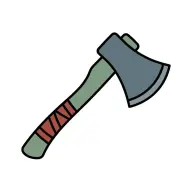

Stroke order · 11 strokes
- 1
- 2
- 3
- 4
- 5
- 6
- 7
- 8
- 9
- 10
- 11
Common words
More words with this kanji
- 断定だんていdefinitive conclusion, assertion
- 断水だんすいwater outage, water supply cut off
- 油断ゆだんcarelessness, negligence, letting one's guard down
- 診断しんだんdiagnosis
- 中断ちゅうだんinterruption, suspension
- 断然だんぜんresolutely, absolutely; by far, decisively
- 断言だんげんassertion, categorical statement
- 断面だんめんcross-section
- 決断けつだんdecisiveness, resolute decision
- 無断むだんwithout permission, unauthorized
- 断えるたえるto be cut off, to come to an end