
Kanji
What does the kanji 着 mean?
着 means wear (clothes); arrive. On'yomi チャク、ジャク. Kun'yomi き.る、き.せる、つ.く、つ.ける.
| On'yomi | チャク、ジャク |
|---|---|
| Kun'yomi | き.る、き.せる、つ.く、つ.ける |
| Strokes | 12 |
| Main radical | 目 |
| Level (estimated, JLPT framework) | N4 |
着On'yomi チャク、ジャクKun'yomi き.る、き.せる、つ.く、つ.ける
N4 · estimated, JLPT framework12 strokes
wear (clothes); arrive
Memory hook
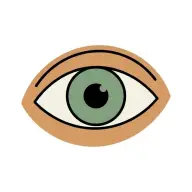
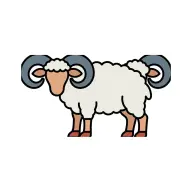
The sheep (羊) are driven in, so you keep an eye (目) on them and pull on another layer — WEAR, ARRIVE.
Main radical
目eye 5 strokesBuilt from

Stroke order · 12 strokes
- 1
- 2
- 3
- 4
- 5
- 6
- 7
- 8
- 9
- 10
- 11
- 12
Common words
More words with this kanji
- 下着したぎunderwear
- 着物きものkimono, traditional Japanese clothing
- 水着みずぎswimsuit
- 着々ちゃくちゃくsteadily, surely
- 肌着はだぎunderwear
- 着せるきせるto dress (someone); to cover with; to pin (blame) on
- 着替えきがえchanging clothes; a change of clothes
- 着替えるきがえるto change clothes
- 落ち着くおちつくto calm down, to settle down
- ~着~ちゃくa set of clothes; arrival count (counter suffix)
- 寝間着ねまきpajamas, nightwear
- 先着せんちゃくfirst-come, first arrival
- 着工ちゃっこうstart of construction
- 着席ちゃくせきtaking one's seat
- 着手ちゃくしゅstarting, undertaking, setting to work
- 着目ちゃくもくfocus, attention, taking note of
- 着色ちゃくしょくcoloring, tinting
- 着陸ちゃくりくlanding (aircraft)
- 着飾るきかざるto dress up, to doll oneself up
- 落ち着きおちつきcalmness, composure, stability
- 辿り着くたどりつくto finally arrive at, to find one's way to