

Short videos on everyday life in Japan
出入国在留管理庁は、日本に住む外国人向けに、短い案内動画を新しく公開しました。
The Immigration Services Agency of Japan has released new short guidance videos for foreign residents living in Japan.
この動画では、新しい生活を始めるときに大切な決まりやマナーを、分かりやすく説明しています。
These videos clearly explain important rules and manners for starting a new life in Japan.
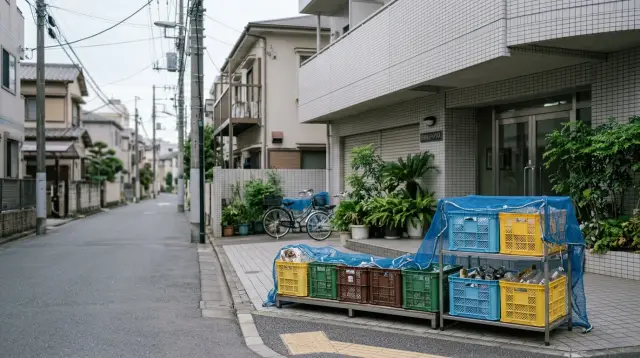
ごみの出し方や近所の人へのあいさつなど、トラブルを防ぐための基本がまとまっています。
The videos cover basics for preventing friction, such as trash disposal rules and greeting neighbors.
Multilingual support and emergency guidance
動画には「やさしい日本語」のほか、ベトナム語や英語の字幕もついています。
In addition to Plain Japanese, the videos include subtitles in languages such as Vietnamese and English.
市役所での手続きや、病気のときの病院の利用、110番や119番のかけ方も学べます。
Viewers can also learn how to complete city hall procedures, visit a hospital when sick, and dial 110 or 119.
日本に来たばかりの人は、公式ウェブサイトのポータルサイトで動画を確認してください。
Foreign residents who have recently arrived in Japan are encouraged to check these videos on the official portal website.
Words in this article
Notes
この記事は2026年11月12日に確認しました。
This article was checked on November 12, 2026.
この情報は、出入国在留管理庁が2026年11月10日に発表した案内をもとにしています。
This information is based on the guidance published by the Immigration Services Agency of Japan on November 10, 2026.
Source: 出入国在留管理庁 (Immigration Services Agency of Japan) (10 Nov 2026)