

Higher tax-free cap for commutes of 65 km or more
国税庁の案内によると、2026年4月1日以降に支払われる通勤手当から、税金がかからない上限額が変わりました。
According to National Tax Agency guidance, the tax-free limit changed for commuting allowances paid on or after April 1, 2026.
車や自転車で通う人のうち、片道65キロ以上の長距離では限度額が上がり、95キロ以上なら月6万6,400円まで非課税になります。
For people commuting by car or bicycle, limits rose for one-way distances of 65 km or more, reaching up to 66,400 yen per month tax-free for 95 km or over.
なお、片道2キロ未満の近い距離では、これまでどおり全額が課税の対象です。
However, for short one-way distances under 2 km, the entire allowance remains subject to tax as before.
Adding up to 5,000 yen/month for parking fees
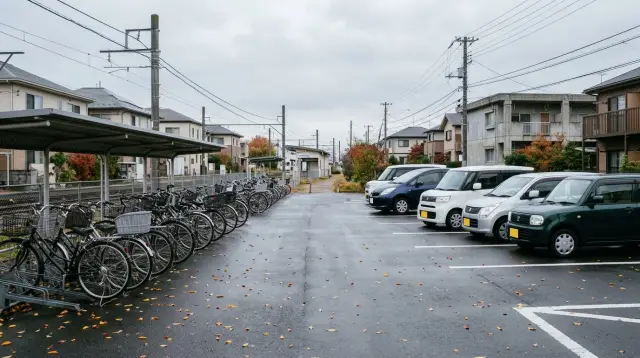
さらに、片道2キロ以上を車などで通勤し、職場や駅の近くで有料駐車場を使う人には、新しい枠が設けられました。
In addition, a new allowance was introduced for commuters traveling 2 km or more by vehicle who use paid parking near their workplace or station.
毎月の駐車料金として、上限5,000円までを非課税の金額に加えることができます。
Monthly parking charges of up to 5,000 yen can be added to the tax-free amount.
Words in this article
Notes
この内容は2026年11月17日に国税庁の案内を確認してまとめました。
This summary was compiled after checking National Tax Agency guidance on 17/11/2026.
年末調整など個別の手続きは、勤務先や税務署の最新案内をご確認ください。
For specific procedures such as year-end tax adjustment, please check the latest guidance from your employer or tax office.
Source: 国税庁 (National Tax Agency of Japan) (1 Apr 2026)