

What seichi junrei is
「聖地巡礼」は、もともと宗教の大切な場所を回ることでしたが、今では、アニメや映画の舞台を訪れることも、こう呼びます。
"Seichi junrei" originally meant visiting important religious sites, but today it also refers to visiting the settings of anime and films.
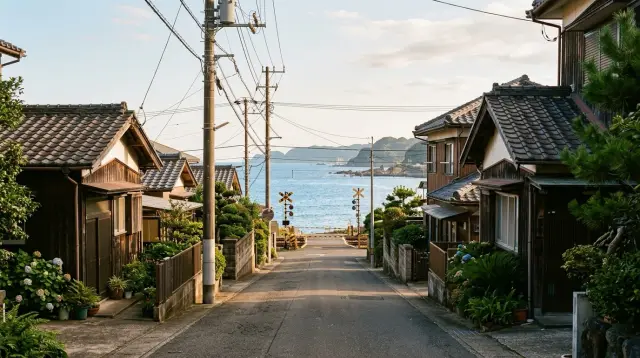
作品の背景に描かれた駅や神社、はしなどを実際に見て、同じ場所で写真を撮る人が多いです。
Many people see in person the stations, shrines and bridges drawn in the backgrounds and take photos in the same spot.
絵と実際の景色を比べると、作った人がどこを見てどう描いたのかが分かって、おもしろいと言う人もいます。
Some say comparing the drawing with the real scenery is interesting because you can see where the creators looked and how they drew it.
この習慣は、日本国内だけでなく、海外のファンにも広がっていて、旅行の目的にする人も増えました。
This habit has spread not only within Japan but to overseas fans, and more people make it the purpose of their trips.
What it means for local communities
ファンが訪れることで、人が少なくなった町が元気になった例も、いくつかあります。
There are several examples of towns that had been losing people becoming lively thanks to visiting fans.
駅や商店街に案内の地図を置いたり、作品の絵を使ったスタンプラリーを開いたりして、歓迎する地域もあります。
Some areas welcome fans by putting guide maps in stations and shopping streets or holding stamp rallies using the work's art.
地元の店も、作品に出てきた食べ物をメニューに入れるなど、ファンが楽しめるように工夫しています。
Local shops also put dishes from the work on the menu so that fans can enjoy themselves.
ただし、どの地域もこうした活動を望んでいるわけではありません。静かな生活を大切にしている人も多いのです。
But not every area wants such activity. Many people value a quiet way of life.
Manners to keep
聖地の多くは、ふつうの人が住んでいる住宅街や、学校の近くです。大きな声や大勢での移動は、迷惑になります。
Many sites are in residential areas where ordinary people live, or near schools. Loud voices and large groups are a nuisance.
家や庭、学校の中を、許可なく写真に撮るのは、してはいけません。人が写らないように、気をつけましょう。
You must not photograph houses, gardens or school grounds without permission. Be careful not to capture people in your photos.
駐車場がない場所に車を止めたり、細い道をふさいだりすると、地元の人が困ります。
Parking where there is no lot, or blocking narrow roads, causes trouble for local people.
ごみは必ず持ち帰ります。ノートに感想を書く場所が用意されているときは、そこに書いてお礼を伝えましょう。
Always take your trash home. If a notebook is provided for comments, write in it to express your thanks.
作品の絵や言葉は、作った人の権利で守られているので、勝手にグッズを作って売ってはいけません。
The art and words of a work are protected by its creators' rights, so you must not make and sell goods on your own.
たとえば、ある小さな駅では、作品が人気になってから、ホームで記念写真を撮る人が毎週のように訪れるようになりました。
For example, at one small station, after a work became popular, people started coming almost every week to take commemorative photos on the platform.
駅員さんたちは、最初はおどろきましたが、今では写真を撮る場所を決めて、安全に楽しめるようにしています。
The station staff were surprised at first, but now they have set up a spot for photos so people can enjoy themselves safely.
用意として、行く前にインターネットで公式の案内を調べて、地域のルールを確かめておくと安心です。
As preparation, it is reassuring to check the official guide online before you go and confirm the local rules.
近くの店で何か買ったり、食事をしたりすると、地元にも喜ばれる旅になります。
If you buy something or eat at a nearby shop, the trip also makes the locals happy.
夜遅くや早朝の撮影は、車の音や話し声が思ったより聞こえるので、特に注意が必要です。
Shooting late at night or early in the morning needs special care, because car noise and voices carry more than you expect.
「聖地」と呼ばれていても、そこは普段の生活の場所です。訪れる私たちは、お客さんだということを忘れないようにしたいものです。
Even if it is called a "sacred site", it is a place of everyday life. We who visit should remember that we are guests.
Words in this article
好きな作品のおかげで、知らなかった町に出会えます。その町に住む人への感謝を忘れずに、旅を楽しんでください。
Thanks to a work you love, you can discover towns you did not know. Enjoy your trip without forgetting your gratitude to the people who live there.