

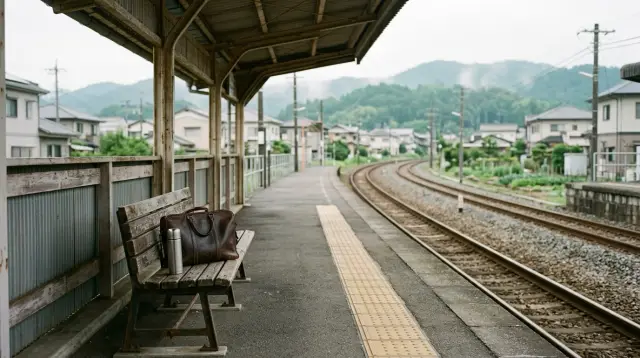
Tàu đi làm như một phần của đời thường
東京や大阪などの大都市圏では、毎朝多くの人が電車で通勤し、ラッシュの時間帯には車内がぎっしり人で埋まる。
In large metropolitan areas such as Tokyo and Osaka, many people commute by train every morning, and during rush hour the cars are packed with passengers.
駅のホームには整列乗車の目印が描かれ、乗客は列を作って電車を待ち、降りる人が先という決まりを自然に守っている。
Markings for orderly boarding are painted on station platforms, and passengers line up to wait and naturally observe the rule that those getting off go first.
片道一時間前後かけて通う人も珍しくなく、通勤に費す時間は、一生で見れば相当な長さになる。
It is not unusual to commute about an hour each way, and over a lifetime the time spent commuting adds up to a considerable length.
乗り換えが多い路線では、階段の昇り降りや移動だけで疲れてしまうため、座れる始発駅を選ぶ人もいる。
On lines with many transfers, just climbing stairs and walking between platforms is tiring, so some people choose a starting station where they can sit.
多くの会社では、定期券の代金を含めた交通費を、通勤手当として支給している。
Many companies pay transportation costs, including the price of a commuter pass, as a commuting allowance.
外国から来た人が驚くのは、ほとんどの電車がほぼ時刻表どおりに走ることで、数分の遅れでも車内で謝罪の放送が流れる。
What surprises people from abroad is that most trains run almost exactly to the timetable, and even a delay of a few minutes brings an apology announcement on board.
電車が遅れたときには、駅で「遅延証明書」を受け取り、会社や学校に提出すれば、遅刻の理由として認めてもらえる。
When a train is late, you can get a "delay certificate" at the station and submit it to your company or school to have it accepted as the reason for being late.
Vì sao người ta sống ở ngoại ô
都心の家賃は高く、広い部屋を借りたり家を買ったりするのは、家族連れには簡単ではない。。通勤に時間がかかっても、家賃の差がそれを補うと考える人は多い
Rents in the city center are high, and renting a spacious place or buying a house is not easy for families. Many reason that even if commuting takes time, the difference in rent makes up for it.
そこで、電車で三十分から一時間ほど離れた郊外の「ベッドタウン」に住み、都心へ通う生活を選ぶ人が多い。
So many people choose to live in a suburban "bed town" about thirty minutes to an hour away by train and commute into the center.
終電の時刻に合わせて行動する必要があり、飲み会の途中で席を立つ人の姿も、夜の街ではおなじみの光景だ。
People must act around the time of the last train, and seeing someone leave the table in the middle of a drinking party is a familiar scene in the night streets.
郊外には公園や緑が多く、子どもを育てるのに適した環境が整っているという評価もある。
The suburbs have many parks and much greenery, and some say they offer an environment well suited to raising children.
一戸建てを買う場合でも、駅から歩ける距離かバスで行けるかどうかで、値段も暮らしやすさも大きく変わってくる。
Even when buying a detached house, both the price and the livability change greatly depending on whether the station is within walking distance or reachable by bus.
駅前に商店街やスーパーがまとまっているので、車がなくても日常の買い物に困らない町が多い。
Because shopping streets and supermarkets cluster in front of the station, many towns let you manage daily shopping without a car.
その反面、朝は早く家を出て、夜は遅く帰るため、平日に家族と過ごす時間が短くなるのが悩みの種だ。
On the other hand, leaving home early in the morning and returning late at night shortens the time spent with family on weekdays, which is a source of worry.
夫婦ともに働く家庭では、保育園の送り迎えと通勤を両立させる難しさが、住む場所選びにも影響している。
In dual-income households, the difficulty of combining nursery drop-offs and pick-ups with commuting also shapes the choice of where to live.
Phép tắc trong toa tàu
日本の電車の中は、満員でも驚くほど静かだと言われる。。この静けさは、互いに迷惑をかけまいとする配慮の表れである
It is said that Japanese trains are astonishingly quiet even when packed. This quiet is an expression of the consideration not to trouble one another.
通話は控え、スマートフォンの音は消し、会話も周りに迷惑にならない声の大きさで行うのが暗黙の了解である。
The unspoken understanding is to refrain from calls, silence smartphones, and talk at a volume that does not bother others.
混んだ車内では、リュックサックを前に抱えるか網棚に載せ、他の人の邪魔にならないようにする。
In a crowded car, hold your backpack in front of you or put it on the overhead rack so you do not get in other people's way.
優先席は、お年寄りや体の不自由な人、妊婦に席を譲るためのものとされ、座っていても必要な人が来たら立つのが望ましい。
Priority seats are meant to be given up to older people, those with physical disabilities, and pregnant women, and even if you are seated it is desirable to stand when someone who needs it comes.
朝の時間帯には女性専用車両を設けている路線もあるので、表示をよく確かめてから乗ろう。
Some lines set up women-only cars during the morning hours, so check the signs carefully before boarding.
Words in this article
Cách làm việc và nhà ở đang bắt đầu thay đổi
コロナ禍をきっかけにテレワークが広がり、毎日出社しなくてもよい会社が増えた。
The pandemic spread remote work, and more companies no longer require employees to come in every day.
そのため、通勤が週に数回で済むなら、都心から遠くても広い家に住みたいと考える人が現れた。
As a result, people appeared who reasoned that if commuting was only a few times a week, they would rather live in a bigger home even far from the center.
時差出勤や、出社の時刻を自由に決められるフレックスタイム制を導入し、混雑を避けて通勤できるようにする企業もある。。結果として、ラッシュのピークが少しずつ分散しつつある
Some firms have introduced staggered commuting or flextime systems that let employees choose their arrival time, so they can avoid the crowds. As a result, the peak of rush hour is gradually spreading out.
一方で、顔を合わせて話す機会が減り、職場の一体感が薄れたという声もあり、各社が最適な形を探っている。
On the other hand, some say opportunities to talk face to face have dropped and the sense of unity in the workplace has weakened, and each company is searching for the best form.
自分にとって大切なのは「通勤時間の短さ」なのか「住まいの広さ」なのか、優先順位を考えて住む町を選ぶ時代になった。
We have entered an age in which people choose where to live by weighing their priorities: is what matters to them a short commute or a spacious home?
どんな暮らしを選ぶにせよ、毎日の移動をいかに快適にするかが、生活の質を大きく左右するのである。。本を読んだり、音楽を聞いたりして、通勤時間を自分の時間に変える工夫も広がっている
Whatever lifestyle one chooses, how comfortable one can make daily travel greatly affects quality of life. Ways of turning commuting time into your own time by reading or listening to music are also spreading.