

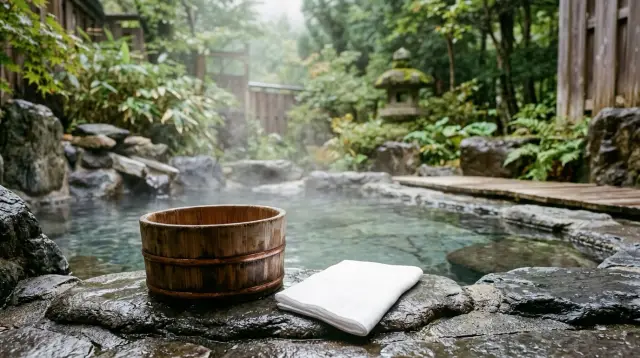
Vì sao hình xăm bị từ chối
日本の温泉や銭湯、プールでは、入れ墨やタトゥーのある人の利用を断る施設が、いまでも少なくない。。ルールを事前に知っておくことが、お互いにとって安心につながる
Even now, quite a few hot springs, public baths, and pools in Japan refuse people with irezumi or tattoos. Knowing the rules beforehand brings peace of mind to both sides.
理由の一つは、歴史的に入れ墨が暴力団と結びつけて考えられてきたことで、ほかの客が不安を感じるのを避けたいという事情がある。
One reason is that tattoos have historically been associated with organized crime, and facilities want to avoid making other guests uneasy.
もっとも、いまのタトゥーは外国でもおしゃれとして広く楽しまれており、文化や信仰に根ざした模様を持つ人もいる。
Still, tattoos today are widely enjoyed as fashion abroad too, and some people have designs rooted in culture or faith.
そのため、日本の習慣を知らない旅行者が入館を断られ、戸惑うケースが増えてきた。
As a result, cases of travelers unfamiliar with Japanese customs being refused entry and left confused have increased.
小さな刺青でも断られる場合がある一方で、大きくても受け入れる施設もあり、判断の基準が一つに定まっていないのが実情だ。
Sometimes even a small tattoo is refused while some facilities accept large ones, and the reality is that there is no single standard of judgment.
Cách ứng xử linh hoạt ngày càng lan rộng
訪日客の増加を受け、規則を見直す施設も出てきている。
With the rise in visitors to Japan, some facilities are also reviewing their rules.
実際、外国からの客が多い観光地ほど、タトゥーを理由に断ることをやめ、ほかの客への配慮を呼びかけるにとどめる動きが見られる。
In fact, the more a tourist area sees visitors from abroad, the more we see a move away from refusing guests over tattoos and toward simply appealing for consideration of other guests.
小さな入れ墨なら、専用のシールで隠せば入浴を認める施設もあれば、入れ墨のある人に限って利用できる時間帯を設けた温泉もある。
Some facilities permit bathing if a small tattoo is hidden with a special sticker, and some hot springs set aside time slots only for people with tattoos.
貼るシールは薬局やインターネットで手軽に買えるが、大きな模様は隠しきれないため、あらかじめ施設に相談してほしい。
The stickers can be bought easily at drugstores or online, but large designs cannot be fully hidden, so please consult the facility beforehand.
部屋に露天風呂が付いた客室や、家族で貸し切りにできる風呂なら、周りを気にせずゆっくり楽しめる。
With a guest room that has its own open-air bath, or a bath the family can reserve privately, you can relax without worrying about others.
温泉地の旅館には、客室専用の風呂を備えた部屋が増えており、料金は高めだが、気兼ねなく温泉を味わえる。
Inns in hot spring areas increasingly have rooms with their own baths, which cost somewhat more but let you enjoy the hot spring without worry.
観光庁なども、入れ墨のある人を受け入れる施設の情報をまとめるなど、対応を後押ししている。
The Japan Tourism Agency and others are also backing these efforts, for example by compiling information on facilities that accept people with tattoos.
公式サイトや予約サイトには、タトゥーの扱いが書かれていることが多く、それを事前に読んでおくだけでもトラブルは減らせる。
Official and booking sites often state how tattoos are handled, and just reading that in advance can reduce trouble.
とはいえ、対応は施設ごとにばらばらで、同じ町でも宿によって条件が違うことがある。
Even so, policies vary from facility to facility, and conditions can differ by inn even within the same town.
地元の人が通う小さな共同浴場では、いまも昔ながらの決まりを守っている所が多いので、とくに注意が必要だ。
Many small communal baths used by local people still keep their old rules, so extra care is needed.
だからこそ、予約の段階で電話やメールで確認し、当日に断られる事態を避けたい。
That is exactly why it is wise to confirm by phone or email at the time of booking to avoid being turned away on the day.
Words in this article
Phép tắc tắm cơ bản
日本の共同浴場では、水着を着ずに入るのが決まりで、まず脱衣所で服をすべて脱ぐ。
In Japanese communal baths the rule is to bathe without a swimsuit, so you first take off all your clothes in the changing room.
湯の温度は施設によって大きく異なり、熱すぎるときは無理をせず、短い時間で上がるのが安全である。
The water temperature differs greatly from facility to facility, and when it is too hot it is safer not to push yourself and to get out after a short time.
湯船に入る前には、洗い場で髪や体を洗い、汚れをしっかり落とすことが何より大切だとされる。。これは単なる作法ではなく、衛生を守るための実用的な習慣でもある
Before entering the tub, washing your hair and body at the washing area and removing dirt thoroughly is regarded as the most important thing. This is not just etiquette but also a practical custom for maintaining hygiene.
飲酒したあとの入浴は、血圧の急な変化を招くおそれがあるため、とくに避けるよう呼びかけられている。
Bathing after drinking alcohol can cause sudden changes in blood pressure, so people are urged especially to avoid it.
タオルを湯の中に入れてはいけないので、頭の上にのせるか、湯船の縁に置いておく。
Towels must not go into the water, so either place them on your head or leave them on the edge of the tub.
髪が長い人は湯につからないようにまとめ、湯船の中で泳いだり、大声で話したりするのも控えよう。
People with long hair should tie it up so it stays out of the water, and avoid swimming in the tub or talking loudly.
小さな子どもを連れて入る場合も、目を離さず、のぼせないよう水分補給を忘れないようにしたい。
When taking small children in, do not take your eyes off them, and remember to hydrate so they do not get dizzy from the heat.
あがったあとは、体を軽く拭いてから脱衣所に戻ると、床を濡らさずに済む。。水分をとって、ゆっくり体を休めることも忘れないでほしい
After getting out, wipe your body lightly before returning to the changing room so you do not wet the floor. Please also remember to drink water and let your body rest slowly.
ルールの背景には、大勢で同じ湯を気持ちよく使うための思いやりがある。
Behind the rules lies consideration so that many people can use the same water comfortably.
入れ墨の問題も、相手の気持ちと自分の事情の折り合いをどうつけるかという、ごく身近な話なのである。
The tattoo issue, too, is a very down-to-earth matter of how to reconcile others' feelings with one's own circumstances.