

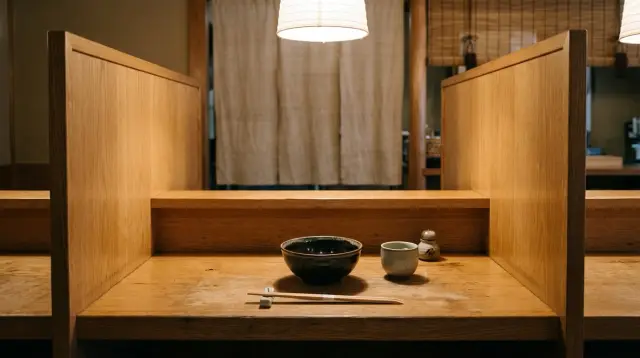
Từ "ohitorisama"
「おひとりさま」とは、もともと飲食店などで「お一人様ですか」と客に尋ねる言葉から広まった表現で、一人で行動する人を指す。
"Ohitorisama" is an expression that spread from the question "Are you dining alone?" asked of customers at restaurants, and it refers to a person who acts alone.
かつては、一人で食事をしたり旅行したりすることは、友達がいない寂しい人のすることだと見られがちだった。
It used to be easy to view eating or traveling alone as something done by lonely people with no friends.
ところが今では、他人に気をつかわずに自分のペースで楽しめる点が、むしろ魅力として受け止められている。
Today, however, being able to enjoy things at one's own pace without worrying about others is rather seen as an attraction.
家族や職場の付き合いに時間を取られがちな現代人にとって、誰にも邪魔されない時間は、心を休める大切な機会でもある。
For modern people whose time tends to be taken up by family and workplace relationships, time undisturbed by anyone is also an important chance to rest the mind.
「ぼっち」のような否定的な言葉とは違い、「おひとりさま」には自分で選んでいるという前向きな響きがある。
Unlike negative words such as "bocchi," "ohitorisama" carries a positive ring of having chosen it for oneself.
若い世代ほど、SNSでつながりすぎて疲れるという声もあり、あえて一人になる選択が支持を集めている面もある。
The younger the generation, the more voices say they are tired of being over-connected on social media, and the choice to deliberately be alone also attracts support to some extent.
Biến đổi xã hội và dịch vụ
背景には、単身世帯の増加がある。。晩婚化や長寿化も、その流れを後押ししている
Behind it lies the increase in single-person households. Later marriage and longer life expectancy also push this trend along.
国勢調査によれば、一人暮らしの世帯は全体の四割近くに達し、結婚しない人や、結婚の時期が遅くなった人の増加に加え、高齢で一人になる人も増えている。
According to the national census, one-person households approach forty percent of the total, and in addition to more people not marrying or marrying later, more older people are ending up alone.
こうした世帯をひとまとめに「寂しい人たち」と決めつけることはできず、暮らしぶりも考え方もさまざまである。
These households cannot simply be lumped together and labeled "lonely people," since their lifestyles and ways of thinking vary widely.
市場はこの変化を見逃さず、一人でも入りやすい店づくりを進めてきた。
The market did not overlook this change and has been building stores that are easy to enter even alone.
回転寿司のように、もともと一人でも気軽に入れる店は、こうした流れの中で、さらに利用者を増やしてきた。
Places that were always easy to enter alone, such as conveyor-belt sushi restaurants, have drawn still more customers amid this trend.
焼肉店やラーメン店では、仕切りのあるカウンター席を設け、周りの目を気にせず食事に集中できるようにしている。
Yakiniku and ramen restaurants provide counter seats with dividers so diners can concentrate on eating without minding the eyes around them.
注文もタブレットで済ませられ、店員と話さずに食事ができる店まで登場している。
Orders can be placed on a tablet, and there are even restaurants where you can eat without speaking to a staff member.
一人用のカラオケ専門店や、ソロキャンプ向けの用具、小さめの鍋や食材のセットなども、よく売れる商品になった。
Karaoke shops for one, gear for solo camping, and sets of small pots and ingredients have become strong sellers too.
ホテルや旅館でも、「一人でも割増料金なしで泊まれる」ことをうたう宿が目立つようになった。。需要に応えて、サービスの形が変わりつつある
Hotels and inns that advertise "staying alone without a surcharge" have also become more visible. Services are changing shape to meet the demand.
Cách tận hưởng ngày càng đa dạng
一人で映画や美術館を回る時間は、自分と向き合う貴重なひとときだと感じる人が多い。
Many people feel that time spent alone at the movies or museums is a precious moment of facing oneself.
平日の昼間に、ゆっくり温泉に出かけたり、カフェで本を読んだりする贅沢も、一人だからこそ味わえる。
The luxury of going leisurely to a hot spring or reading a book in a cafe on a weekday afternoon is something you can taste precisely because you are alone.
趣味に没頭したり、気が向くままに予定を変えたりできるのも、一人ならではの自由だ。
Being able to immerse yourself in a hobby or change your plans on a whim is a freedom unique to being alone.
外国から来た人にとっても、日本は一人で安心して歩ける国として知られ、一人旅を楽しむ旅行者は少なくない。
For people from abroad as well, Japan is known as a country where one can walk alone with peace of mind, and quite a few travelers enjoy solo trips.
食事の際も、一人客を歓迎する店が多いので、言葉に自信がなくても、気後れせずに入ってみるとよい。
There are many restaurants that welcome solo diners, so even if you are not confident in the language, it is worth walking in without hesitation.
Words in this article
Vấn đề ẩn sau sự tự do
一方で、誰とも話さない日が続けば、孤独や孤立が深刻になる恐れもある。
On the other hand, if days without speaking to anyone continue, loneliness and isolation may become serious.
特に高齢者の孤立は、健康や命に関わる問題であり、国も専門の担当大臣を置いて対策に乗り出した。
Isolation among older people in particular is a matter touching health and life, and the government has appointed a dedicated minister and begun taking measures.
地域では、一人暮らしの人に声をかけたり、気軽に集まれる場所を作ったりする取り組みも各地で進んでいる。
In many communities, efforts to check in on people living alone and to create places where they can gather easily are also moving forward.
大切なのは、一人で過ごす自由と、必要なときに人とつながれる安心の両方を持つことではないだろうか。
Is not the important thing to have both the freedom to spend time alone and the reassurance of being able to connect with others when needed?
近所の人に挨拶をしたり、趣味の集まりに顔を出したりと、ささやかな接点を保つだけでも、気持ちは大きく変わる。
Even keeping modest points of contact, such as greeting neighbors or showing up at a hobby group, can change how you feel greatly.
「おひとりさま」は、孤独を勧める言葉ではなく、一人の時間も人との時間も、自分で選べる生き方を表しているのである。
"Ohitorisama" is not a word that promotes loneliness; it describes a way of living in which one can choose both time alone and time with others.