

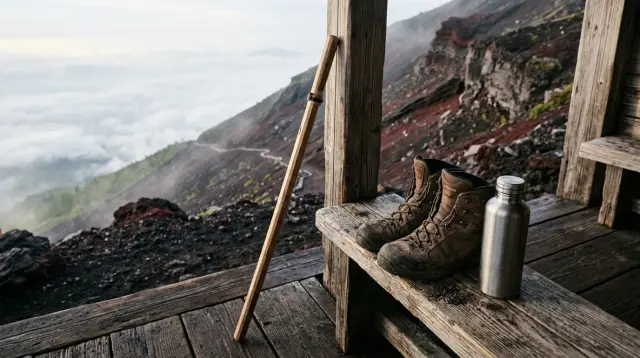
Chỉ leo được vào mùa hè
富士山は標高3,776メートルの日本一高い山で、世界文化遺産にも登録されている。
Mt. Fuji, at 3,776 meters, is Japan's highest mountain and is also registered as a World Cultural Heritage site.
古くから信仰の対象とされてきた山であり、江戸時代には「富士講」と呼ばれる団体が、仲間とともに参拝登山を行っていた。
It is a mountain long regarded as an object of faith, and in the Edo period groups called "Fuji-kō" made pilgrimage climbs together.
一般の登山客が安全に登れるのは、例年七月上旬から九月上旬までのおよそ二か月に限られる。
Ordinary climbers can climb safely only for about two months each year, from early July to early September.
この期間以外は、雪や強風のために山小屋も閉まり、経験豊富な登山者でも命に関わる危険がある。。天候が崩れやすい夏の午後は、とくに雷にも気をつけたい
Outside this period, mountain huts close because of snow and strong winds, and even experienced climbers face life-threatening risk. On summer afternoons when the weather easily turns, you should especially watch out for lightning too.
毎年の開山日は天候や積雪の状況で変わることがあり、山梨県側と静岡県側でも日程が少し異なる。
The opening date each year can change with the weather and snow conditions, and the schedule differs slightly between the Yamanashi side and the Shizuoka side.
「夏の山だから軽装でも大丈夫」と考えるのは大きな間違いで、山頂では真夏でも気温が一桁になることがある。
Thinking "it's a summer mountain, so light clothing is fine" is a serious mistake, as temperatures at the summit can fall to single digits even in midsummer.
Quy định mới để chống quá tải
登山者が増えすぎた結果、山道の渋滞やごみ、事故の増加が深刻な問題になってきた。。限られた山道に人が集中すれば、落石や転倒の危険も高まる
As the number of climbers grew too large, congestion on the trails, litter, and an increase in accidents became serious problems. When people concentrate on limited trails, the risk of rockfall and falls also rises.
外国から訪れる人の割合も大きく、夏の週末には、頂上付近で多くの言語が飛び交う光景も珍しくない。
The share of visitors from abroad is also large, and on summer weekends it is not unusual to see many languages being spoken near the summit.
そこで、人気の高いルートでは、入山の際に通行料を払い、一日に登れる人数にも上限が設けられるようになった。
Accordingly, on the popular routes climbers now pay a fee when entering the mountain, and a cap has been placed on how many can climb in a day.
道が細く、すれ違うのも大変な場所では、列が長く伸びて、予定の時間より何時間も多くかかることがある。
On narrow stretches where passing is difficult, the line can grow long and the climb can take many hours more than planned.
集まったお金は、登山道の整備や救助体制の充実、環境の保全などに使われる。
The money collected is used for trail maintenance, strengthening rescue systems, and environmental conservation.
夜通し歩いて山頂で日の出を迎える「弾丸登山」は、体への負担が大きく危険なので、やめるよう強く呼びかけられている。
"Bullet climbing," walking through the night to greet the sunrise at the summit, puts great strain on the body and is dangerous, so people are strongly urged to stop.
疲れがたまった状態で標高の高い場所に長くいると、判断力が落ち、転倒や落石に気づくのも遅れかねない。
Staying long at high altitude while fatigued dulls judgment, and noticing a fall or rockfall may also be delayed.
山小屋で仮眠をとり、時間に余裕を持って登る計画を立てるのが望ましい。
It is desirable to plan to take a nap at a mountain hut and to climb with time to spare.
Chuẩn bị cần có trước khi leo
服装は重ね着が基本で、防寒着と雨具、手袋、帽子は必ず用意したい。
Dress in layers as a rule, and be sure to prepare warm clothing, rain gear, gloves, and a hat.
足元は、軽いスニーカーではなく、足首を守ってくれる底の硬い登山靴が適している。
For footwear, sturdy-soled hiking boots that protect the ankles are more suitable than light sneakers.
暗い道を歩くために、両手があく頭につけるライトも欠かせない。
To walk dark paths, a headlamp that leaves both hands free is also indispensable.
山の上は物が高く、水や食べ物を買い足すのにお金がかかるため、できるだけ麓で用意しておくとよい。
Goods are expensive up the mountain, so buying extra water and food costs money, and it is best to prepare as much as possible at the base.
高い場所では、頭痛や吐き気をともなう高山病になる人も多いので、ゆっくり歩き、こまめに水分をとって、途中で体を慣らすことが大切だ。
At high altitude many people suffer altitude sickness with headaches and nausea, so it is important to walk slowly, drink water often, and acclimatize along the way.
前日は十分に睡眠をとり、五合目で一時間ほど休んで体を慣らしてから歩き始める人も多い。
Many people sleep enough the day before and rest for about an hour at the fifth station to acclimate before starting to walk.
Words in this article
Phép tắc cần giữ và dũng khí quay đầu
山に持ち込んだごみは必ず持ち帰り、トイレは協力金を払って使うのが、ここでの決まりである。
Take any litter you bring to the mountain back down with you, and use the toilets by paying a cooperation fee; these are the rules here.
山小屋は宿泊施設であると同時に、体調を崩した登山者の避難場所でもあり、予約なしの宿泊は原則として受け付けられない。。食事は簡単なものが多い
A mountain hut is both lodging and a refuge for climbers who fall ill, and as a rule lodging without a reservation is not accepted. Meals are often simple.
登山道から外れて植物を踏んだり、石を持ち帰ったりすることも、自然を傷める行為として慎まなければならない。。景観を守ることは、次に登る人への思いやりでもある
Leaving the trail and trampling plants, or taking stones home, also damages nature and must be avoided. Protecting the scenery is also consideration for the next climbers.
また、天気が急に崩れたり、体調が悪くなったりしたときは、頂上を目前にしていても、思い切って引き返す判断が命を守る。
And when the weather suddenly turns or you feel unwell, a decisive choice to turn back, even with the summit right in front of you, is what protects your life.
出発前には、天気予報と最新の登山情報を必ず確認し、登山計画を家族や宿に伝えておこう。
Before departure, be sure to check the weather forecast and the latest climbing information, and tell your family or lodging your plan.
富士山は、登ること自体が目的ではなく、自然と向き合い、安全に帰ってくるまでが旅である。。山頂の景色は、その苦労に見合う感動を与えてくれる
On Mt. Fuji, climbing is not itself the goal; the journey lasts until you have faced nature and returned safely. The view from the summit gives an emotion worthy of the effort.