

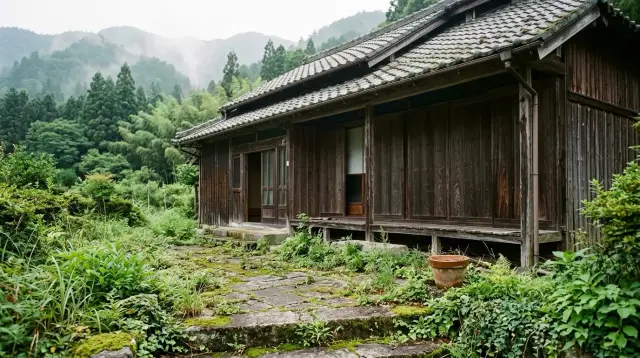
Vì sao nhà bỏ trống tăng lên
総務省の調査によると、全国の空き家は約900万戸に上り、住宅全体のおよそ七軒に一軒が人の住まない家になっている。
According to a survey by the Ministry of Internal Affairs and Communications, vacant homes nationwide number about nine million, meaning roughly one house in seven has no one living in it.
原因の一つは人口の減少であり、もう一つは進学や就職を機に若者が都市へ出ていったことである。
One cause is the falling population; another is that young people left for the cities when they went on to school or took jobs.
親が亡くなった後、子どもはすでに都会で家庭を持っているため、実家に戻る人は少い。
After the parents die, the children have already built their own households in the city, so few return to the family home.
仏壇や家財道具をどう片付けるかという問題もあり、気持ちの整理がつかないまま何年も手をつけられない人も少くない。
There is also the question of what to do with the family altar and household goods, and many people cannot bring themselves to touch the house for years because their feelings are unsettled.
かといって、売ろうにも買い手がつかず、取り壊すには費用がかかるため、結局そのまま放置されてしまうのである。
Yet there are no buyers if they try to sell, and demolition costs money, so in the end the houses are simply left as they are.
相続の手続きをしないまま何代も過ぎ、持ち主が誰なのか分からなくなる例さえある。
There are even cases where inheritance procedures go undone for generations until no one knows who the owner is.
Điều gì xảy ra nếu cứ để mặc
人が住まない家は、風通しがなくなるにつれて傷みが早くなり、屋根や壁が崩れる恐れがある。
A house nobody lives in deteriorates faster as the air stops circulating, and the roof and walls may collapse.
台風で瓦が飛んだり、庭の木が道路にはみ出したりして、近所の迷惑になるケースも少なくない。。放っておけば被害が広がるのは目に見えている
It is not uncommon for roof tiles to blow off in a typhoon or for garden trees to spill onto the road, becoming a nuisance to neighbors. If left alone, it is obvious that the damage will spread.
防犯や防災の面でも不安が大きく、放火や不法投棄の場所にされかねない。
It also raises serious security and disaster concerns, as such a house could become a site for arson or illegal dumping.
そこで国は法律を改め、危険な状態の「特定空き家」に加えて、その手前の「管理不全空き家」にも、自治体が改善を求められるようにした。。これにより、手遅れになる前に所有者へ働きかけやすくなった
The state therefore revised the law so that municipalities can demand improvements not only for dangerous "specified vacant houses" but also for "poorly managed vacant houses" one step before that. This makes it easier to approach owners before it is too late.
勧告を受けると、土地にかかる固定資産税の軽減措置が外れ、かえって負担が重くなる場合がある。
Once a recommendation is issued, the tax reduction on the land's property tax can be lifted, and the burden may actually grow heavier.
実際に、空き家の解体には数百万円かかることもあり、費用の一部を補助する自治体も少しずつ増えてきた。
In fact, demolishing an empty house can cost several million yen, and the number of municipalities subsidizing part of the cost has gradually grown.
加えて、2024年4月からは、相続した不動産の登記が義務になり、持ち主不明の土地を減らす取り組みが進んでいる。
In addition, from April 2024 registering inherited real estate became mandatory, and efforts to reduce land with unknown owners are moving forward.
Những nỗ lực tận dụng nhà trống
一方で、空き家を地域の資源ととらえ、活用しようとする動きも広がっている。。人口が減る町にとっては、新しい住民を迎える貴重な機会でもある
Meanwhile, a movement to regard empty houses as a regional resource and put them to use is also spreading. For towns with shrinking populations, it is also a valuable chance to welcome new residents.
多くの自治体が「空き家バンク」を設け、売りたい人と借りたい人を結びつけている。
Many municipalities run "akiya banks" that connect people who want to sell with people who want to rent or buy.
移住者向けに、改修費の補助金を出したり、仕事の相談に乗ったりする町もある。
Some towns offer subsidies for renovation or advice on finding work for people who move in.
古い民家をカフェや宿、仕事場に作り変える若い人たちも現れ、町に新しい人の流れが生まれつつある。
Young people have also appeared who turn old houses into cafes, inns, or workspaces, and a new flow of people is gradually emerging in these towns.
空き家を地域の人が集まれる交流の場や、子ども食堂として使う試みもあり、住む人がいなくても役立てる道は探せるのだ。
There are also attempts to use empty houses as community gathering places or children's cafeterias, so even without residents, ways of making them useful can be found.
値段が安いのは確かだが、買えばそれで終わりというわけではない。。むしろ、買ってからの管理や修繕にこそ覚悟が必要だ
The low price is certainly real, but buying is not the end of the matter. Rather, it is the management and repairs after buying that call for real resolve.
Words in this article
Những điều cần kiểm tra trước khi mua
古い家は、耐震性や水回りの状態によっては、買った値段を上回る改修費がかかることもある。
Depending on earthquake resistance and the state of the plumbing, an old house can cost more to renovate than its purchase price.
また、地方では車がないと買い物や通院に困り、冬には雪かきの手間もかかる。
Also, in the countryside, without a car shopping and hospital visits become difficult, and in winter there is the labor of clearing snow.
さらに、持ち主が高齢で遠方に住んでいる場合は、いざ売ろうとしても荷物の片付けや境界の確認だけで大きな手間になることも覚悟しておきたい。
Furthermore, if the owner is elderly and lives far away, you should be prepared for the fact that merely clearing out belongings and confirming boundaries can take great effort when the time comes to sell.
地域の行事や自治会の活動に参加することも、暮らしの一部として求められる場合が多い。
Taking part in local events and neighborhood association activities is often expected as part of daily life.
外国から来て地方の町に住む人も増えており、ごみの出し方や挨拶の習慣を最初に教えてもらうと、近所づきあいがずっと楽になる。
More people from abroad are also settling in rural towns, and if someone first teaches you how to put out garbage and the local greeting customs, getting along with the neighbors becomes much easier.
だからこそ、契約する前に何度も現地を訪れ、近所の人の話を聞いておきたい。
That is exactly why it is wise to visit the site many times and listen to the neighbors before signing a contract.
空き家問題は、使われない建物をどうするかにとどまらず、これからの町をどう残すかという問いでもある。
The empty-house problem goes beyond what to do with unused buildings; it is also a question of how to preserve our towns for the future.