

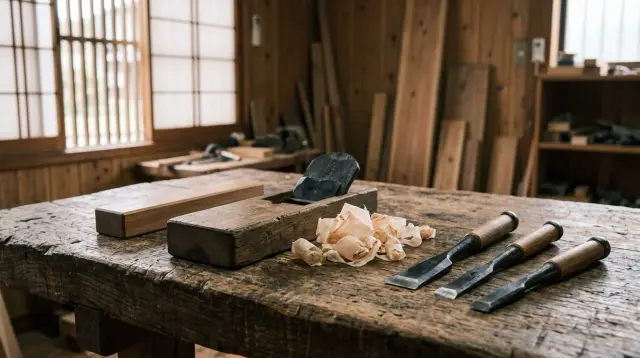
Who is a shokunin
「職人」は、手に技術を持ち、ものを作ることで生計を立てる人を指す。だが日本語の「職人」には、単なる技術者以上の響きがある。
"Shokunin" refers to a person who holds a skill in their hands and earns a living by making things. Yet the Japanese word carries overtones beyond a mere technician.
「職人気質」という言葉は、採算や時間よりも仕事の質を優先し、納得がいくまで手を止めない気性を表す。頑固さと誇りが背中合わせになった性格である。
The phrase "shokunin temperament" expresses a disposition that puts quality of work before profit or time and does not stop until satisfied. It is a character in which stubbornness and pride sit back to back.
彼らの多くは、仕事を単なる収入の手段とは考えない。技を磨くこと自体を、生涯をかけて歩む道として捉えているのである。
Many of them do not see work as a mere means of earning income. They regard the honing of skill itself as a path to walk throughout their lives.
日本では、重要な技術を高い水準で保持する個人や団体が、国によって「重要無形文化財」の保持者として認定される。通称の「人間国宝」は、技そのものを人に宿る宝とみなす発想の表れだ。
In Japan, individuals and groups who maintain important techniques at a high standard are certified by the state as holders of "Important Intangible Cultural Properties". The popular name "Living National Treasure" reflects the idea of regarding the skill itself as a treasure dwelling in a person.
Learning the trade: watch, imitate, surpass
伝統的な職人の世界では、師匠が手取り足取り教えることはあまりなかった。弟子は雑用をこなしながら、師匠の動きを観察し、「技を盗む」ことを求められた。
In the traditional craft world, masters seldom taught step by step. Apprentices were expected to observe the master's movements while handling chores, and "steal the skill".
寿司の世界には、「飯炊き三年、握り八年」という言葉が伝わる。基礎の積み重ねなくして一人前にはなれない、という戒めだが、今は短期間で学べる学校も増えている。
In the sushi world the saying goes, "three years cooking rice, eight years forming nigiri". It is a caution that one cannot become fully qualified without building up the basics, but schools where one can learn in a short period are increasing today.
茶道や武道で説かれる「守破離」は、職人の修業にも通じる。まず師匠の型を守り、次にそれを破って自分なりに工夫し、最後に型から離れて独自の境地へ至るという段階だ。
"Shu-ha-ri", taught in tea and martial arts, also applies to a craftsperson's training. The stages are: first keep the master's form, then break it and devise one's own way, and finally leave the form and reach a state of one's own.
型を身につけたうえで初めて、型を超えることができる。基本を軽んじる者に、本物の独創は生まれない。守破離は、そう教えている。
Only after mastering the form can one go beyond it. Real originality is not born of those who take the basics lightly. That is what shu-ha-ri teaches.
Representative trades
法隆寺の修理に携わった宮大工の西岡常一は、木の癖を見抜いて組むことの大切さを説いたと伝えられる。同じ檜でも、一本ごとに性質が異なるのである。
The temple carpenter Nishioka Tsunekazu, who took part in repairs at Horyu-ji, is said to have stressed the importance of seeing through the wood's quirks before assembling it. Even among cypress of the same kind, each trunk differs in nature.
刀鍛冶は、炎の色で温度を測り、鉄を折り返して鍛える。包丁を作る鍛冶屋や、和紙を漉く職人、染物の職人など、日本各地に土地ならではの技が受け継がれている。
Swordsmiths gauge temperature by the color of the flame and fold the iron over to forge it. Kitchen-knife smiths, washi papermakers, textile dyers, and others: across Japan, skills unique to each locale are handed down.
数十年の経験を積んだ職人にして初めて、木目や土のわずかな違いを指先で感じ取ることができる。その感覚は、数値や言葉ではなかなか伝えられない。
Only a craftsperson with decades of experience can sense, with their fingertips, the slightest differences in wood grain or clay. That sense is hard to convey in numbers or words.
どの職人にも共通するのは、道具への深い愛着だ。包丁や鉋を毎日研ぎ、手入れを欠かさない。道具の状態は、そのまま仕事の質に直結するからである。
What every shokunin shares is a deep attachment to tools. They sharpen knives and planes daily and never neglect upkeep, because the condition of the tools links directly to the quality of the work.
無駄のない動きで淡々と作業を進める姿は、見る者を圧倒せずにはおかない。工房の見学で多くの人が言葉を失うのは、そこに積み重ねられた時間が見えるからだろう。
The sight of work proceeding steadily with no wasted motion cannot fail to overwhelm the viewer. Many people are lost for words when visiting workshops, probably because they can see the time accumulated there.
寸分たりとも狂いを許さない精度を保つために、彼らは何千回も同じ動作を繰り返す。その反復の果てに、外からは「勘」としか見えない感覚が育つのである。
To maintain an accuracy that tolerates not even a hair's deviation, they repeat the same motion thousands of times. At the end of that repetition grows a sense that from outside looks like nothing but "intuition".
Words in this article
手仕事の品が高価なのは、材料費だけでなく、修業に費やされた長い年月が含まれているからでもある。値段の裏にある時間を知ることは、買う側の責任でもあるだろう。
Handcrafted goods are expensive not only because of materials but also because they include the long years spent in training. Knowing the time behind the price is arguably also the buyer's responsibility.
Challenges today
現在、多くの伝統工芸は後継者の不足に悩んでいる。需要の減少により、生活が成り立たず、技術を継ぐ若者がいないまま廃業を余儀なくされる工房も少なくない。
At present many traditional crafts suffer from a shortage of successors. With demand shrinking, livelihoods cannot be sustained, and not a few workshops are forced to close without any young person to inherit the skills.
近年は、女性や外国出身の職人も少しずつ増え、伝統の世界に新しい風を吹き込んでいる。出身を問わず、技と覚悟を持つ人が受け入れられる場になりつつあるのだ。
In recent years women and craftspeople from abroad have gradually increased, bringing fresh air to the traditional world. It is becoming a place that accepts anyone with skill and resolve regardless of origin.
昔ながらの「見て覚えろ」式の指導や、低い収入、長い労働時間は、若者が入りにくい壁にもなってきた。美談の裏側にある現実も、見逃してはならない。
The old style of "watch and learn" instruction, low income, and long working hours have also become walls that make it hard for young people to enter. We must not overlook the reality behind the heartwarming stories.
そこで、技術を動画で記録したり、工房の見学を観光と結びつけたり、若い作り手が発信する商品をオンラインで売ったりする試みが広がっている。
Hence attempts are spreading: recording techniques on video, linking workshop visits with tourism, and selling products promoted by young makers online.
同時に、AIや機械が得意な部分は任せ、人の手にしかできない部分に集中する、という選択も現実的になってきた。伝統を守るために、あえて新しい道具を取り入れる職人もいる。
At the same time, the choice of entrusting what AI and machines do well to them and focusing on what only human hands can do has become realistic. Some shokunin deliberately adopt new tools in order to protect tradition.
職人の精神は、特別な職業だけのものではない。目立たない作業にも手を抜かず、昨日より少し良いものを作ろうとする姿勢は、誰の仕事にも通じる。
The shokunin spirit does not belong only to special occupations. The attitude of not cutting corners even on inconspicuous work and trying to make something slightly better than yesterday applies to anyone's job.
学習者にとっても、毎日同じ単語を、同じ文を、丁寧に繰り返す営みは、職人の修業に通じるところがある。地道な反復の先にしか、自然な日本語は育たないのかもしれない。一日の進歩は小さくても、続けた者だけが、いつか振り返って遠くまで来たことに気づく。
For learners, too, the practice of carefully repeating the same words and sentences every day has something in common with a shokunin's training. Natural Japanese may grow only beyond steady repetition. Though a day's progress is small, only those who keep going will someday look back and realize how far they have come.