

When an ancient city becomes a crowded destination
千年を超える歴史を持つ京都は、国内外の旅行者にとって憧れの街である。コロナ禍が明けると観光客は急速に戻り、街は再びにぎわいを取り戻した。
Kyoto, with a history of more than a thousand years, is a dream destination for travelers from Japan and abroad. Once the pandemic eased, visitors returned rapidly and the city regained its bustle.
ところが、街のにぎわいをよそに、手放しでは喜べない人々がいる。そこに暮らす住民である。「オーバーツーリズム」と呼ばれる、観光客の集中による生活への影響が、深刻な課題になっている。
Yet there are people who cannot rejoice unreservedly at that bustle: the residents who live there. The impact on daily life from concentrated visitors, called "overtourism", has become a serious issue.
問題の核心は、総数そのものより「集中」にある。人気の寺社や、祇園、嵐山といった一部の地域に、特定の時間帯に人が集まるのだ。
The heart of the problem lies in "concentration" rather than the total number. People gather in popular temples and shrines and certain districts such as Gion and Arashiyama at particular times of day.
京都の観光は、桜の咲く春と紅葉の秋に特に集中する。写真で見た絶景を目当てに、誰もが同じ季節、同じ場所へ向かうからである。
Kyoto tourism is especially concentrated in the cherry blossom spring and the autumn foliage season. Everyone heads to the same place at the same time, aiming for the scenic views they saw in photos.
観光バスの停留所では長い列ができ、市民が日常的に使う路線バスにも、観光客が大きな荷物を抱えて乗り込む。通勤や通院の足が、混雑で奪われているのである。
Long lines form at tourist bus stops, and visitors with large luggage also board the route buses that citizens use daily. Their means of commuting and getting to the hospital is taken away by the crowding.
Residents' voices
嵐山の竹林では、竹に傷をつける行為が問題視され、錦市場では混雑を避けるために食べ歩きの自粛が呼びかけられた。どれも、少しの配慮があれば防げたはずの事例である。
In Arashiyama's bamboo grove, scratching the bamboo was treated as a problem, and at Nishiki Market people were urged to refrain from eating while walking to avoid crowding. These are all cases that a little consideration should have prevented.
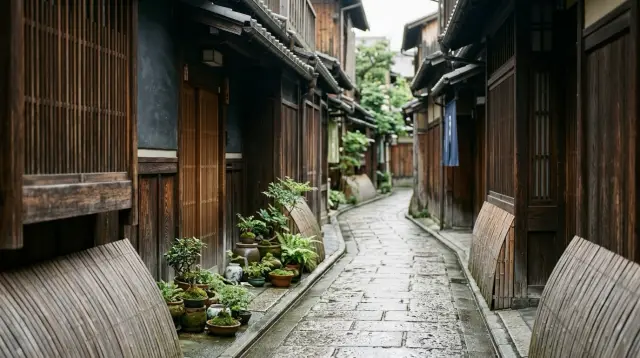
祇園の細い私道では、舞妓を追いかけて写真を撮ろうとする行為が相次ぎ、地元の協議会が撮影を禁じる看板を設置する事態に至った。
On the narrow private lanes of Gion, incidents of chasing maiko to take photographs occurred repeatedly, to the point that the local council put up signs banning photography.
一方、土産物店や旅館、飲食店など、観光で生計を立てる人も多い。同じ京都に暮らしながら、観光を歓迎する声と困惑する声が並び立っているのが実情だ。
Meanwhile, many people make a living from tourism, such as souvenir shops, inns, and restaurants. Living in the same Kyoto, voices welcoming tourism and voices troubled by it stand side by side, and that is the reality.
住民が嘆くのは、写真や着物そのものではない。ゴミの放置や私有地への無断立ち入りなど、暮らしの場であるという前提が忘れられていることへの苛立ちなのである。
What residents lament is not photos or kimono themselves. It is irritation that the premise that this is a place where people live has been forgotten, as with litter left behind and uninvited entry onto private land.
中心部では、町家を改装した宿泊施設が増える一方で、地価や家賃の上昇を背景に、長年暮らしてきた住民が転出を余儀なくされる例も指摘されている。
In the center, as lodgings converted from machiya increase, it has also been pointed out that long-time residents are forced to move out against a backdrop of rising land prices and rents.
地域の祭りや町内会の活動は、住む人があってこそ続く。住民が減れば、観光客が求める「生きた京都」そのものが、失われかねない。
Local festivals and neighborhood association activities continue only when people live there. If residents decrease, the very "living Kyoto" that visitors seek could be lost.
Measures that have been tried
観光の質を問い直す議論も起きている。日帰りの短い滞在で人だけが増えるより、宿泊を伴ってゆっくり過ごす旅のほうが、地域への恩恵が大きいという考え方である。
Debate has also arisen over the quality of tourism. The idea is that trips that involve overnight stays and a slower pace bring greater benefit to the community than short day trips that merely add more people.
京都市は、観光客の分散を重要な柱と位置づけてきた。早朝や夕方の観光を勧めたり、市内中心部以外の魅力を発信したりしている。
The City of Kyoto has positioned dispersing visitors as a key pillar. It encourages sightseeing in the early morning or evening and promotes attractions outside the city center.
大きな荷物を預けて身軽に歩ける「手ぶら観光」も、バスの混雑を和らげるための工夫の一つだ。観光地の手前にあるターミナルで荷物を送り、宿で受け取る。
"Hands-free sightseeing", where you leave large luggage and walk lightly, is also one idea for easing bus congestion. You send your bags from a terminal before the sightseeing area and receive them at your lodging.
宿泊税の見直しも進められ、観光による収入を街の維持や住民の生活環境の改善に充てる動きがある。受益と負担の釣り合いをどう取るかが、議論の焦点である。
A review of the accommodation tax is also under way, and there is a move to put tourism revenue toward maintaining the city and improving residents' living environment. The focus of debate is how to balance benefit and burden.
観光客の振る舞いにかんがみて、行ってはいけない行為を多言語で示すマナー啓発も広がった。私道での撮影やゴミの投げ捨てなど、具体的な事例を挙げて注意を促している。
In light of visitors' behavior, manners campaigns that show prohibited acts in multiple languages have also spread. They urge caution by citing concrete cases such as photography on private roads and littering.
市内の別の地区や、宇治、伏見、大原など周辺の街に足を向ければ、静かに歴史を感じられる場所は意外に多い。有名な景色を一度脇に置く勇気が、旅を豊かにする。
If you turn to other districts in the city or to nearby towns such as Uji, Fushimi, and Ohara, there are surprisingly many places where you can quietly feel history. The courage to set a famous view aside for once enriches a trip.
他の地域でも同様の動きがあり、富士山では入山料が導入された。京都の取り組みは、全国の観光地が注目する先行例でもある。
Other regions show similar moves, and Mt. Fuji has introduced an entry fee. Kyoto's efforts are also a leading example that tourist areas nationwide are watching.
住民と観光事業者、行政が同じ席で話し合い、地域ごとにルールを決める取り組みも始まっている。上からの規制だけでなく、現場の合意を積み上げようとする動きだ。
Efforts have also begun in which residents, tourism businesses, and the administration sit at the same table and set rules district by district. It is a move to build up consensus on the ground, not merely regulation from above.
Words in this article
京都の中心部は坂が少なく、地下鉄や自転車、徒歩で回れる範囲が広い。バスだけに頼らず移動の手段を選べば、それも混雑の緩和につながる。
Central Kyoto has few hills, and a wide area can be covered by subway, bicycle, or on foot. Choosing your means of travel rather than relying on buses alone also helps ease congestion.
What visitors can do
もっとも、観光は京都の経済や伝統産業を支える大きな力でもある。観光客を拒むのではなく、街と共存できる形を探るほかはない。
That said, tourism is also a major force supporting Kyoto's economy and traditional industries. The only way is not to refuse visitors but to look for a form that can coexist with the city.
旅行者にできることは、決して少なくない。人気の時間帯を外す、有名な場所以外にも足を延ばす、公共交通機関では席や荷物に配慮する、といった一つ一つの選択である。
There is by no means little a traveler can do: avoid the popular hours, venture beyond famous places, and take care with seats and luggage on public transport. Each is a choice.
観光地であるか否かを問わず、そこが誰かの生活の場であることを忘れてはならない。静かに歩き、礼儀を守るという当たり前の行動が、最も確かな対策になる。
Whether or not it is a tourist spot, one must not forget that it is someone's place of daily life. The obvious acts of walking quietly and observing manners make up the surest countermeasure.
旅は、訪れた土地に何かを残すものでもある。感動と引き換えに負担だけを残すのではなく、街の暮らしを尊重する旅人であり続けたい。
Travel also leaves something behind in the land visited. Rather than leaving only a burden in exchange for the thrill, let us remain travelers who respect the life of the town.