

A feeling hard to translate
「物のあはれ」とは、目に映る自然や人の営みに触れて、思わず漏れるしみじみとした感動を指す。喜びと悲しみが溶け合った、複雑な感情である。
"Mono no aware" refers to the quiet, deep emotion that escapes us when we encounter the nature and human affairs before our eyes. It is a complex feeling in which joy and sorrow melt together.
この概念を日本文学の中心に据えたのは、江戸時代の国学者、本居宣長である。彼は『源氏物語』の本質を、「もののあはれを知る」ことにあると論じた。
The person who placed this concept at the center of Japanese literature was the Edo-period scholar of national learning Motoori Norinaga. He argued that the essence of "The Tale of Genji" lies in "knowing mono no aware".
宣長によれば、善悪の判断よりも先に、美しいものを美しいと感じ、悲しいことを悲しいと感じる心の動きこそが、人間の最も大切な部分だった。
According to Norinaga, even before judgments of good and evil, the stirring of the heart that feels beauty as beautiful and sorrow as sorrowful was the most important part of being human.
日本語の「あはれ」は、もとは感動したときに思わず出る感嘆の声に由来するとされる。理屈で説明する前に、まず心が動く。その順序が大切にされてきた。
The Japanese "aware" is said to derive from the exclamation that escapes us when moved. Before explaining by reason, the heart is first stirred. That order has been valued.
「あはれ」は、英語では「物事の哀れさ」を意味する言葉で訳されることが多い。しかし悲しみだけを表すわけではなく、美しさへの感嘆や愛おしさも含む点に、訳しにくさがある。
In English, "aware" is often rendered with a phrase meaning "the pathos of things". Yet it does not express only sadness; it also contains admiration of beauty and tenderness, which is why it is hard to translate.
Why the cherry blossom
桜の花が、日本人の「あはれ」を最も象徴する存在とされるのは、その短い命ゆえだ。開花から満開、そして散るまで、おおむね一週間前後という儚さが、人の心を捉えてやまない。
The cherry blossom is regarded as the most emblematic presence of the Japanese "aware" precisely because of its short life. Its fragility, running from bloom to full bloom to falling in roughly a week, never ceases to grip people's hearts.
古い歌集の『万葉集』では、「花」といえば梅を指すことが多かったとされる。時代が下るにつれて桜が主役になり、散る姿を惜しむ歌が増えていった。
In the ancient anthology the "Man'yoshu", "flower" is said to have often meant the plum. As time passed cherry blossoms became the lead, and poems lamenting their falling increased.
平安時代の歌人、在原業平は、「世の中に絶えて桜のなかりせば春の心はのどけからまし」と詠んだ。桜がなければ春は穏やかなのに、という逆説が、花への執着を物語っている。
The Heian-period poet Ariwara no Narihira composed that if cherry blossoms were absent from the world, the heart in spring would be at ease. The paradox that spring would be calm without them tells of attachment to the blossoms.
鎌倉時代の随筆『徒然草』には、「花は盛りに、月は隈なきをのみ見るものかは」という一節がある。満開だけでなく、咲く前や散った後にも趣があるという意味だ。
The Kamakura-period essay "Tsurezuregusa" contains the passage "Are we to look only at blossoms in full bloom and the moon without a cloud?" It means that charm exists not only in full bloom but also before blooming and after falling.
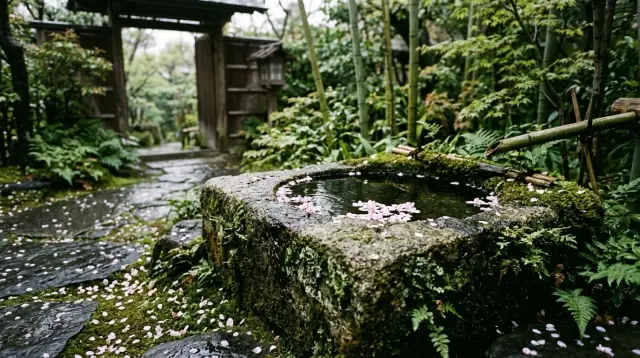
散り際の花吹雪、水面を埋める花筏、地面に積もった花びら。盛りを過ぎた桜にこそ見いだされる美しさが、日本の美意識を形作ってきた。
The blizzard of petals as they fall, the flower rafts covering the water, petals piled on the ground: the beauty found precisely in cherry blossoms past their peak has shaped Japanese aesthetics.
あはれを誘うのは桜に限らない。蛍の淡い光、秋の虫の音、夕暮れに響く蜩の声など、季節の移ろいを告げるものは、どれも心に静かな余韻を残す。
It is not only cherry blossoms that evoke aware. The faint light of fireflies, insects' chirping in autumn, the cry of the evening cicada at dusk: everything that signals the changing season leaves a quiet afterglow in the heart.
俳句の「季語」は、こうした感覚を十七音に託すための仕掛けである。季語を一つ置くだけで、読み手は説明なしに季節の空気や感情を思い浮かべることができる。
The "kigo" of haiku is a device for entrusting such sensations to seventeen syllables. Merely placing one kigo lets the reader picture the season's air and feeling without any explanation.
Hanami and the rhythm of spring
花見の習慣は、もとは貴族の楽しみだったが、江戸時代には庶民にも広がった。将軍が各地に桜を植えさせたことも、その普及を後押ししたといわれる。
The custom of hanami was originally an aristocratic pleasure but spread to commoners in the Edo period. It is said that the shogun having cherry trees planted in various places also boosted its spread.
現代では、各地の開花が南から北へ進む様子が「桜前線」と呼ばれ、天気予報とともに毎日のように伝えられる。人々は、花の便りに季節の歩みを重ねるのである。
Today the way blooming advances from south to north is called the "cherry blossom front" and is reported almost daily alongside weather forecasts. People overlay the season's progress on news of the flowers.
毎年春が近づくと、桜を題材にした歌が数多くラジオや街に流れる。春の別れと旅立ちを描いた曲は、世代を超えて口ずさまれている。
Every year as spring approaches, many songs themed on cherry blossoms play on radio and in the streets. Songs depicting spring partings and departures are hummed across generations.
日本では四月に学校や会社の新年度が始まるため、桜は入学式や入社式の風景とも結びついている。出会いの喜びと、別れの寂しさが同時に訪れる季節なのだ。
Because the new school and business year begins in April in Japan, cherry blossoms are also tied to scenes of entrance and company-joining ceremonies. It is a season in which the joy of meeting and the sadness of parting arrive together.
桜の下で弁当を広げ、仲間と笑い合う。陽気な宴のさなかにも、風が吹いて花びらが舞えば、誰もが思わず空を見上げる。この二面性こそ、花見ならではの味わいだ。
Spreading out a lunch box under the blossoms and laughing with friends. Even amid the cheerful feast, when the wind blows and petals dance, everyone looks up at the sky without meaning to. This duality is the very flavor unique to hanami.
日本の桜の多くを占めるソメイヨシノは、接ぎ木で増やされた同じ性質の木である。植えられた時期が重なるため、老木が一斉に弱り、手入れや植え替えが課題になっている地域もある。
The Somei-Yoshino, which makes up much of Japan's cherry trees, are trees of identical nature propagated by grafting. Because their planting periods overlapped, old trees weaken all at once, and in some areas care and replanting have become a challenge.
Words in this article
Two sides of the falling-petal image
もっとも、桜の散る姿を単純に美化することには慎重でありたい。近代には、散り際の潔さが軍国主義の宣伝に利用され、若者の死を称える言葉に使われた歴史がある。
That said, we should be wary of simply beautifying the falling blossom. In the modern era, the grace of falling was exploited for militarist propaganda and used in language that glorified young people's deaths.
「あはれ」の感性は、本来は命の儚さを慈しむ心である。それを死の称賛にすり替えたとき、豊かな感情は人を縛る道具になり得る。
The sensibility of "aware" is, at root, a heart that cherishes the fragility of life. When it is swapped for praise of death, a rich emotion can become a tool that binds people.
今日の私たちにとって大切なのは、散ることを美しいと感じつつも、今生きている時間を大事にする姿勢ではないだろうか。花が儚いからこそ、今年の桜を見ておこうと思う。
What matters for us today may be the attitude of feeling the falling as beautiful while treasuring the time we are alive. Precisely because blossoms are fleeting, we think we should see this year's cherry blossoms.
旅行がてら花見に訪れる人も、毎年同じ木を見に通う人も、散る花に何かを重ねているのだろう。それが何かは、人それぞれに違う。
Those who visit for hanami while traveling, and those who go to see the same tree every year, are probably overlaying something on the falling blossoms. What that something is differs for each person.
旅先で桜に出会ったら、写真を撮るより先に、風に舞う花びらを少しの間ただ眺めてみたい。言葉になる前の「ああ」という感嘆が、あはれの入口なのだから。
If you meet cherry blossoms on your travels, try simply gazing at the petals dancing in the wind for a moment before taking a photo. For that "ah" of wonder, before it becomes words, is the entrance to aware.