

Welcoming guests: raise them, lower yourself
お客様が会社に来たとき、日本語の敬語がいちばん試されます。使い方の基本は、相手の動作を高くする「尊敬語」と、自分の動作を低くする「謙譲語」を使い分けることです。
When a guest comes to the company, your honorific Japanese is tested the most. The basic usage is to tell apart 「尊敬語」, which raises the other person's actions, and 「謙譲語」, which lowers your own.
たとえば「来る」は、お客様には「いらっしゃる」を使い、自分のことには「参る」を使います。同じ動作でも、誰が主語なのかで言葉が変わります。
For example, for “to come” you use 「いらっしゃる」 for the guest and 「参る」 for yourself. Even for the same action, the word changes depending on who the subject is.
Common verb pairs
「言う」は、お客様なら「おっしゃる」、自分なら「申す」です。「見る」は「ご覧になる」と「拝見する」、「食べる」は「召し上がる」と「いただく」になります。
「言う」 is 「おっしゃる」 for the guest and 「申す」 for yourself. 「見る」 becomes 「ご覧になる」 and 「拝見する」, and 「食べる」 becomes 「召し上がる」 and 「いただく」.
「聞く」「訪ねる」は、自分のことなら「伺う」、「受ける」「聞く」は「承る」を使います。「する」は、お客様なら「なさる」、自分なら「いたす」です。
For 「聞く」 and 「訪ねる」 about yourself use 「伺う」, and 「承る」 when receiving a request. 「する」 is 「なさる」 for the guest and 「いたす」 for yourself.
動詞に決まった形がないときは、「お/ご~になる」(尊敬)と「お/ご~する」(謙譲)の型が使えます。「お待ちになる」「お持ちする」「ご案内する」のような形です。
When a verb has no special form, you can use the patterns 「お/ご~になる」 (respectful) and 「お/ご~する」 (humble), such as 「お待ちになる」, 「お持ちする」 and 「ご案内する」.
Sample dialogue: greeting a guest at reception
受付「いらっしゃいませ。」
Receptionist: “Welcome.”
山田「山田商会の山田と申します。十時に営業部の田中様とお約束をいただいております。」
Yamada: “I am Yamada of Yamada Shokai. I have an appointment with Mr. Tanaka of Sales at ten o'clock.”
受付「山田商会の山田様でいらっしゃいますね。お待ちしておりました。ただいま田中に連絡いたしますので、あちらのソファに掛けて、少々お待ちいただけますでしょうか。」
Receptionist: “You are Mr. Yamada of Yamada Shokai. We have been expecting you. I will contact Tanaka right away; would you kindly take a seat on that sofa and wait a moment?”
田中「お待たせいたしました。田中でございます。本日は、遠いところをお越しいただき、ありがとうございます。会議室までご案内いたします。」
Tanaka: “Sorry to keep you waiting. I am Tanaka. Thank you for coming such a long way today. Let me show you to the meeting room.”
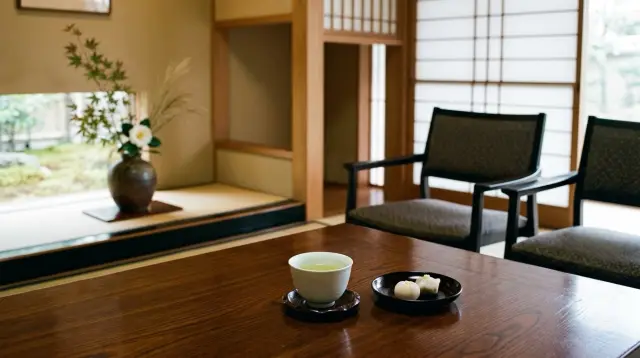
お茶を出すときは、「失礼いたします」と言って入り、お客様に先に、上座の人から順に出します。「どうぞ、お召し上がりください」と一言添えると丁寧です。
When you bring tea, say 「失礼いたします」 as you enter and serve the guests first, starting from the person in the top seat. Adding 「どうぞ、お召し上がりください」 is courteous.
お見送りでは、会社の入口、または、お客様が見えなくなるまで見送ります。「本日はありがとうございました。お気をつけてお帰りください」と言います。
When seeing a guest off, go to the company entrance or until they are out of sight. Say 「本日はありがとうございました。お気をつけてお帰りください」.
お客様を待たせるときは、理由と目安の時間を伝えます。「申し訳ございません。田中は会議が長引いておりまして、あと十分ほどで参ります」のように言えば、お客様も安心して待てます。
When you keep a guest waiting, tell them the reason and a rough time. Saying something like 「申し訳ございません。田中は会議が長引いておりまして、あと十分ほどで参ります」 lets them wait with peace of mind.
お茶は、お客様の右後ろからお盆で運び、机の上にそっと置くのが一般的です。会議の資料にこぼさないよう、置く位置に気をつけます。
Tea is generally carried on a tray and set gently on the table from behind the guest's right side. Take care where you place it so it does not spill on the meeting materials.
お客様の名前を呼ぶときは、「山田さん」ではなく「山田様」と言います。社内の人を紹介する場合は、役職がどんなに高くても、お客様の前では「部長の田中」と呼び、敬称を付けません。
When you address a guest, say 「山田様」 rather than 「山田さん」. When introducing people from your own company, no matter how senior, call them 「部長の田中」 in front of the guest, without an honorific title.
お客様が帰った後は、会議室の片付けも忘れません。湯飲みを下げ、椅子を元の位置に戻すところまでが、おもてなしの一部です。
After the guest leaves, do not forget to tidy the meeting room. Clearing the cups and returning the chairs to their places is part of the hospitality.
Common mistakes
お客様に「社長は参られますか」と言うのは間違いです。「参る」は謙譲語なので、相手の動作には使えません。正しくは、「社長はいらっしゃいますか」です。
Saying 「社長は参られますか」 to a guest is wrong. 「参る」 is humble and cannot be used for the other person's action. The correct form is 「社長はいらっしゃいますか」.
「お客様がおっしゃられました」のように、一つの動詞に敬語を二つ重ねる「二重敬語」も、よくある間違いです。「おっしゃいました」だけで十分です。
Stacking two honorifics on one verb, as in 「お客様がおっしゃられました」, called 「二重敬語」, is also a common error. 「おっしゃいました」 alone is enough.
また、お客様に「ご苦労様です」や「了解です」と言うのも避けます。「お疲れ様です」「承知いたしました」と言い換えましょう。
Also avoid saying 「ご苦労様です」 or 「了解です」 to guests. Rephrase them as 「お疲れ様です」 and 「承知いたしました」.
言葉を間違えたと気づいたら、慌てずに言い直せば大丈夫です。完璧な敬語よりも、相手を大切に思う気持ちが伝わることの方が大切です。
If you notice you made a mistake, simply restate it calmly. What matters more than perfect honorifics is conveying that you value the other person.
Words in this article
敬語は日本人にとっても難しいものです。まずは、「いらっしゃる」「申す」「伺う」「いたす」の四つから、使ってみましょう。
Honorifics are hard even for Japanese people. Start by trying four: 「いらっしゃる」, 「申す」, 「伺う」 and 「いたす」.