
Kanji
What does the kanji 来 mean?
来 means to come; future. On'yomi ライ、タイ. Kun'yomi く.る、きた.る、きた.す、き.たす、き.たる、き、こ.
| On'yomi | ライ、タイ |
|---|---|
| Kun'yomi | く.る、きた.る、きた.す、き.たす、き.たる、き、こ |
| Strokes | 7 |
| Main radical | 木 |
| Level (estimated, JLPT framework) | N5 |
来On'yomi ライ、タイKun'yomi く.る、きた.る、きた.す、き.たす、き.たる、き、こ
N5 · estimated, JLPT framework7 strokes
to come; future
Memory hook
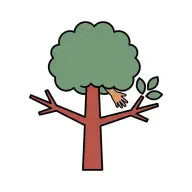
A tree with ripe grain hanging off it — the harvest coming in — COME.
Main radical
木tree 4 strokesBuilt from


Stroke order · 7 strokes
- 1
- 2
- 3
- 4
- 5
- 6
- 7
Common words
More words with this kanji
- 来年らいねんnext year
- 来週らいしゅうnext week
- 将来しょうらいfuture
- 再来月さらいげつthe month after next
- 再来週さらいしゅうthe week after next
- 以来いらいsince, ever since
- 未来みらいfuture
- 来らい~next, coming (prefix, e.g. 来週, 来年)
- 本来ほんらいoriginally, essentially; properly speaking
- 来日らいにちcoming to Japan, visit to Japan (from abroad)
- 出来上がりできあがりcompletion, finished product
- 出来上がるできあがるto be completed, to be finished
- 元来がんらいoriginally, by nature
- 外来がいらいforeign, imported; outpatient
- 家来けらいretainer, vassal, servant
- 従来じゅうらいconventional, up until now
- 伝来でんらいintroduction (from abroad); handed down through generations
- 来場らいじょうattendance, being present at a venue